Home/Products
/Industrial Effluent Pretreatment
Industrial Effluent Pretreatment
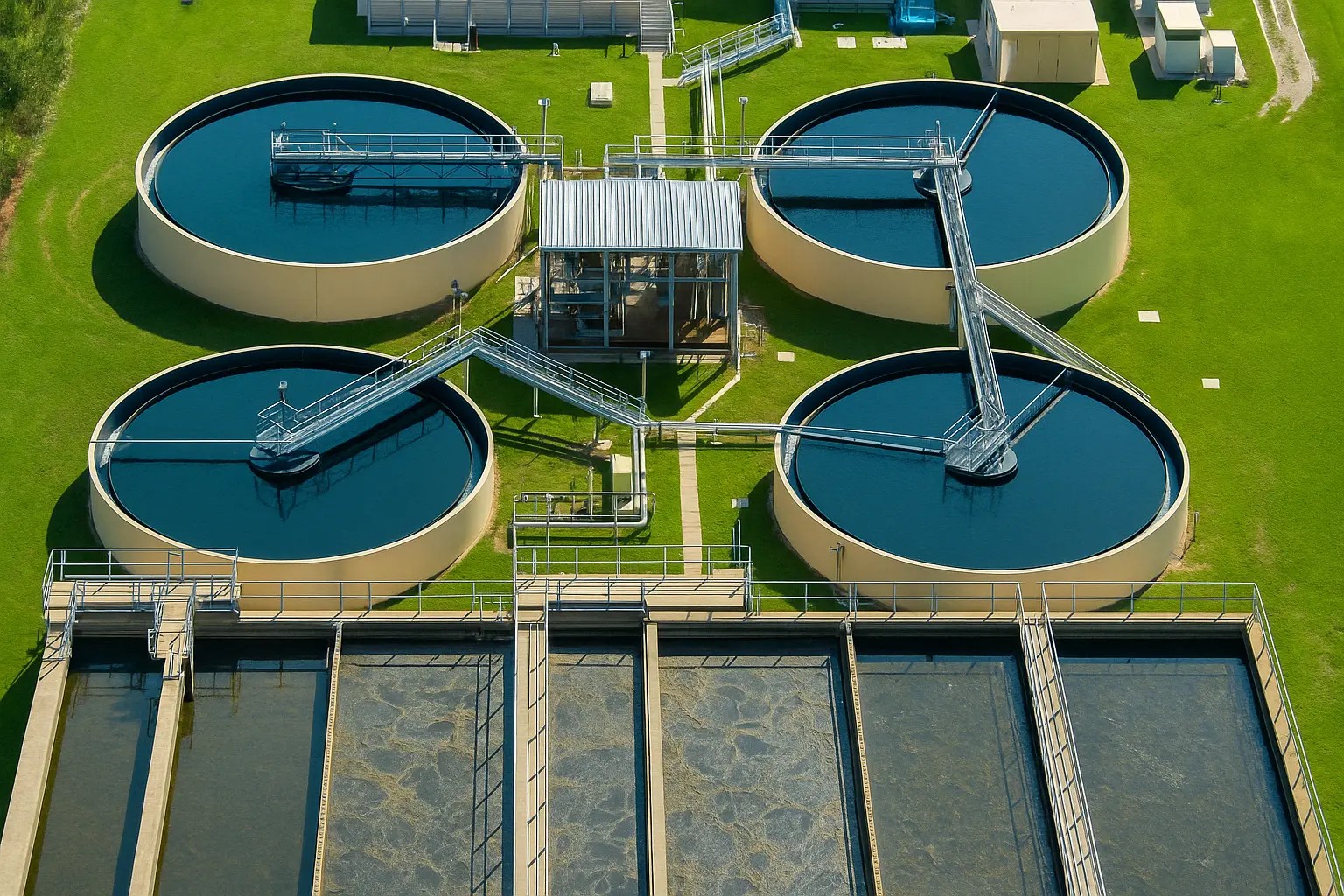
Pretreatment applications for high-strength industrial wastewater — dyes and dye intermediates, dairy, textile, pulp and paper, and pharmaceutical effluent, each with a dedicated Fermaxis Bacillus formulation.
🏭 About this vertical
Precision Bacillus biology for industrial effluent — where the right microbe in the right process changes everything.
🏭
Why industrial effluent needs its own biology
Industrial effluent is not municipal sewage. Where domestic wastewater is a relatively predictable mix of organic matter, industrial effluent streams carry the specific chemical signature of whatever process produced them — reactive dye residues, high-fat dairy solids, textile sizing agents, lignin and cellulose fines from paper manufacturing, or the active pharmaceutical ingredients and solvents found in pharma wastewater. Standard municipal treatment biology is rarely equipped to handle these substrates efficiently, and untreated or poorly treated discharge carries real regulatory and environmental consequences.
Pretreating this effluent with the right Bacillus strains — selected for the specific substrate chemistry of each industry, robust across the variable pH and temperature conditions typical of industrial discharge — reduces organic and chemical load before water reaches municipal systems or receiving water bodies, easing compliance and cutting the cost of downstream treatment.
🔗
How Fermaxis reaches industrial effluent operators
Fermaxis supplies Bacillus-based microbial preparations directly to industrial ETP operators across dyes and dye intermediates, dairy, textile, pulp and paper, and pharmaceutical manufacturing — working with treatment engineers and plant operators to match the right preparation to each effluent stream. We also supply to traders and distributors who on-supply to industrial treatment operators and water treatment chemical companies, in some cases with dilutions or additions suited to specific regional or operational requirements. In all cases, the microbial science — the strain selection, the CFU count, the enzyme activity — originates from Fermaxis's in-house fermentation and is verified before leaving our facility.
🎯 The Fermaxis distinction in industrial effluent pretreatment
Most microbial product suppliers offer a single "all-purpose" industrial effluent culture. Fermaxis engineers a separate Bacillus formulation for each industry we serve — because the reactive dye load in a textile dyeing unit is not the high-fat, high-BOD solids in dairy wastewater, the lignin and cellulose fines from pulp and paper manufacturing are not the active pharmaceutical residues in pharma effluent, and each substrate demands its own microbial capability. Application specificity is where performance is made or lost.
Five industries. Five individually engineered formulations.
🎨Dyes & dye intermediates
Bacillus strains selected for tolerance of high salinity, colour load, and residual reactive dye chemistry, supporting colour reduction and organic breakdown in dye manufacturing and dyeing-unit effluent.
🥛Dairy effluent
Cultures formulated for the high-fat, high-BOD, high-COD characteristics of dairy processing wastewater, accelerating breakdown of milk solids, whey, and fat before discharge.
🧵Textile effluent
Application-specific cultures for textile wet-processing wastewater, addressing sizing agents, dyes, and the variable pH conditions typical of dyeing and finishing operations.
📄Pulp and paper effluent
Bacillus formulations tolerant of lignin, cellulose fines, and the high-COD black liquor characteristic of pulp and paper mill discharge, supporting organic load reduction ahead of further treatment.
💊Pharmaceutical effluent
Robust cultures selected for performance in the presence of active pharmaceutical ingredients, solvents, and antimicrobial residues that inhibit standard biological treatment populations.
🌿
Why Bacillus works across these industrial effluent streams
Bacillus species bring the same core advantages to industrial effluent that make them effective across waste treatment generally: they are spore-forming, surviving storage, transport, and the harsh chemical conditions typical of industrial discharge, then germinating and becoming active in the target environment. They produce a broad range of extracellular enzymes — proteases, amylases, lipases, cellulases — enabling them to attack the diverse organic substrates found across dye, dairy, textile, paper, and pharma effluent. They function across the aerobic and facultatively anaerobic conditions found in industrial ETP systems, and they remain robust under the variable temperature, pH, and chemical loading that real-world industrial discharge presents.
🎯 The right biology for every industrial effluent stream. Precision formulations where compliance and cost both depend on it.
🎯 Fermaxis Precision Promise: Each industry's effluent has different substrate chemistry and treatment challenges. Fermaxis engineers a separate strain profile for dyes, dairy, textile, pulp and paper, and pharma.
5 Industries served — 5 individually engineered formulations
One dedicated formulation per industry. Always.
 01
01
industrial effluent pretreatment
🎯 Unique Fermaxis blend