Home/Products
/Municipal & Urban Waste
Municipal & Urban Waste
Waste treatment applications — composting, sewage, landfill bioremediation, and odour control, each with a dedicated Fermaxis Bacillus formulation.
♻️ About this vertical
Precision Bacillus biology for waste treatment — where the right microbe in the right place changes everything.
♻️
Why biology is the most powerful tool in waste management
Municipal and industrial waste treatment is, at its most fundamental level, a biological process. Whether in a composting windrow, a sewage treatment plant, an effluent treatment pond, or a landfill biocell, it is microorganisms that do the work of breaking down organic matter, mineralising nutrients, and detoxifying waste streams. The question is not whether biology is involved — it always is. The question is whether that biology is being managed with precision or left to chance.
Introducing the right Bacillus strains — characterised for specific degradation activities, selected for robustness in variable temperature and pH conditions, and formulated at effective concentrations — dramatically accelerates the natural biological processes that treatment systems depend on, while reducing chemical inputs, energy consumption, and the environmental impact of what is discharged or deposited.
🔗 How Fermaxis reaches the waste treatment sector
Fermaxis supplies Bacillus-based microbial preparations directly to municipal bodies, sewage treatment utilities, industrial ETP operators, and composting facilities — working with treatment engineers and site managers to identify the right preparation for each application and waste stream. We also supply to traders and distributors who on-supply to treatment operators and water treatment chemical companies, in some cases with dilutions or additions suited to specific regional or operational requirements. In all cases, the microbial science — the strain selection, the CFU count, the enzyme activity — originates from Fermaxis's in-house fermentation and is verified before leaving our facility.
🎯 The Fermaxis distinction in waste treatment
Most microbial product suppliers offer a single "all-purpose" waste treatment culture. Fermaxis engineers a separate Bacillus formulation for each waste treatment application — because the organic substrate in a composting heap is not the sewage sludge in an STP aeration tank, the leachate chemistry of a landfill is nothing like either, and the odour-generating compounds in a solid waste site require a completely different microbial capability from all three. Application specificity is where performance is made or lost.
Four applications. Four individually engineered formulations.
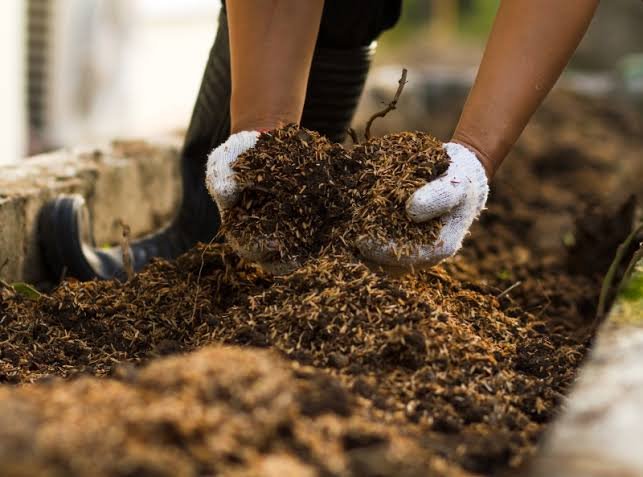
🌿Composting acceleration
Thermophilic Bacillus strains that initiate and sustain the active phase of composting — breaking down cellulose, hemicellulose, and protein-rich materials rapidly, reducing turnaround time and improving compost maturity.
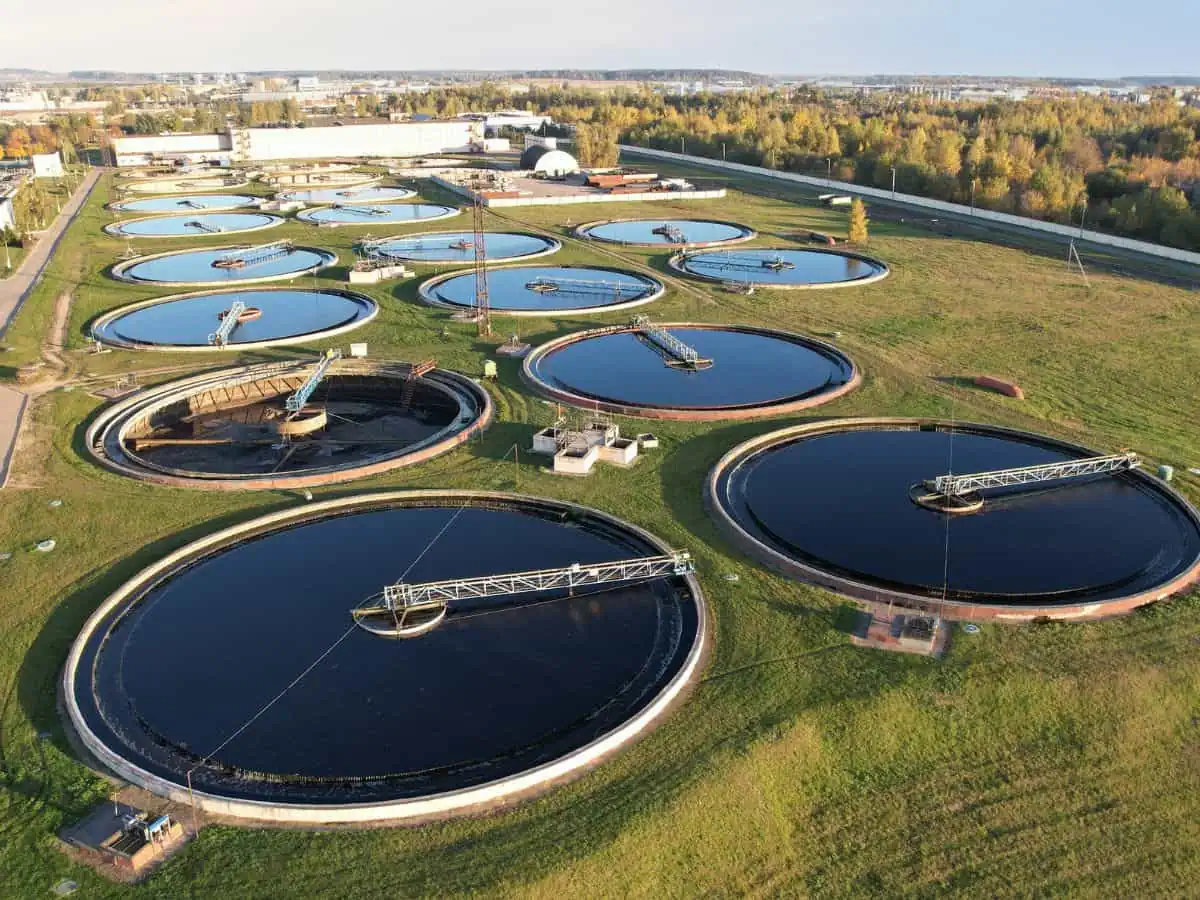
💧Sewage effluent treatment
Bacillus cultures that augment the biological populations in activated sludge systems — improving BOD and COD reduction, supporting nitrification, and stabilising treatment performance during peak loads or shock events.
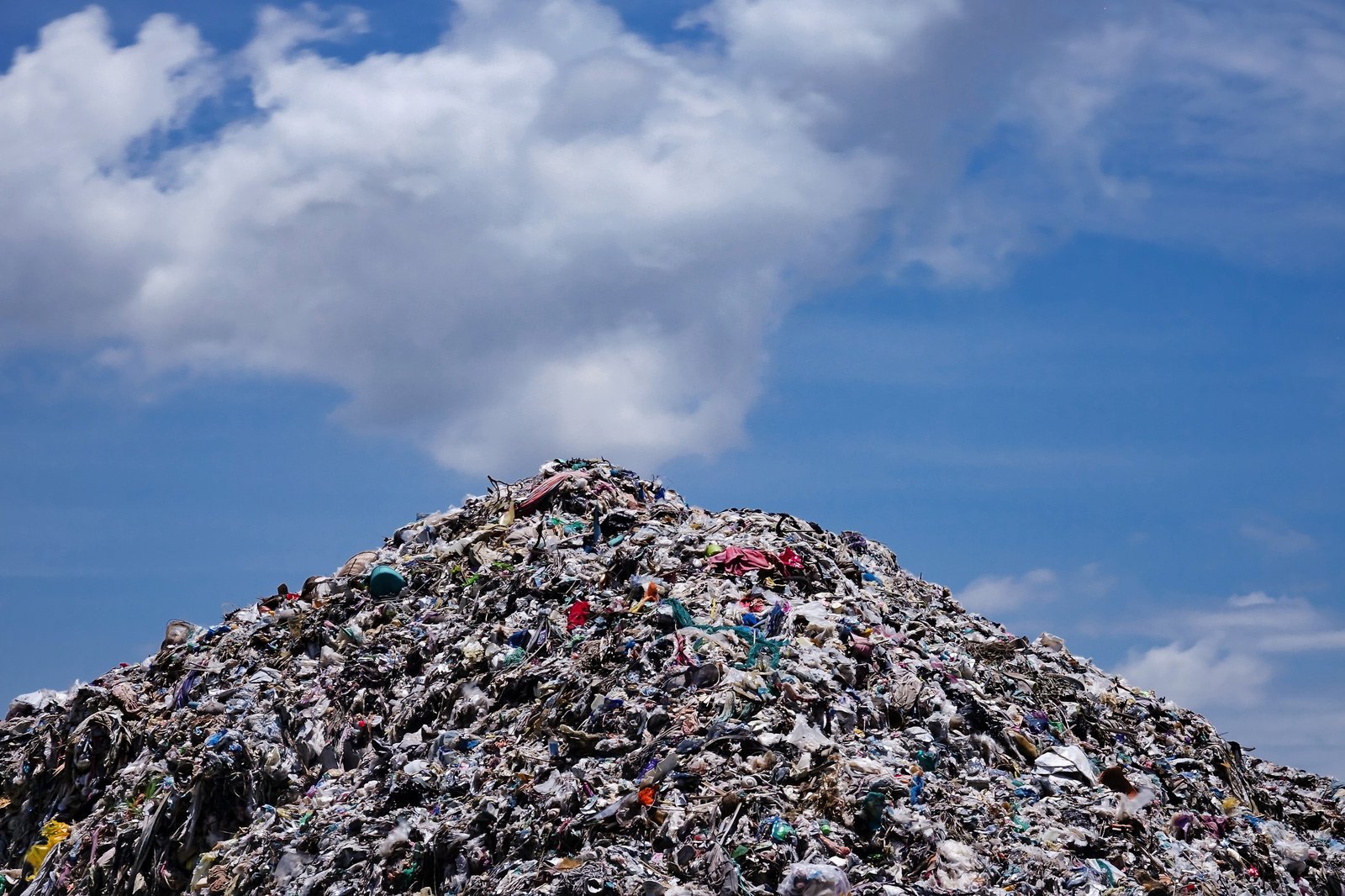
⛰️Landfill bioremediation
Robust Bacillus strains tolerant of the high-salt, variable pH, and anaerobic-to-aerobic transition conditions of landfill environments — accelerating the stabilisation of deposited waste and reducing leachate TOC.
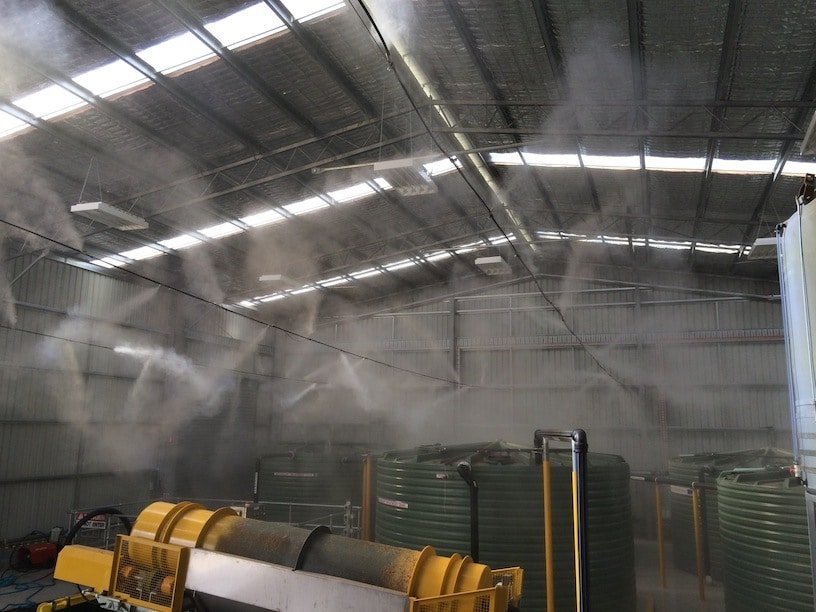
💨Odour control
Bacillus cultures selected for their ability to compete against and suppress sulphur-reducing and putrefactive bacteria — the primary biological drivers of hydrogen sulphide and mercaptan generation in waste facilities.
🌿
What makes Bacillus the right biology for waste treatment
Bacillus species have characteristics that make them uniquely suited to waste treatment environments. They are spore-forming — meaning they survive storage, transport, and the harsh chemical conditions of many waste streams, germinating and becoming active when they reach their target environment. They produce a broad range of extracellular enzymes — proteases, amylases, lipases, cellulases — enabling them to attack diverse organic substrates simultaneously. They are aerobic and facultatively anaerobic — functioning across the oxygen gradients found in composting, aerobic treatment, and partially anaerobic landfill environments. And they are robust in variable temperature and pH conditions — essential in the unpredictable environments of real-world waste treatment.
🎯 The right biology for every waste stream. Precision formulations where it matters most.
🎯 Fermaxis Precision Promise: Each waste stream has different substrate chemistry and microbial conditions. Fermaxis engineers a separate strain profile for composting, sewage treatment, bioremediation, and odour control.
4 Waste treatment applications — 4 individually engineered formulations
One dedicated formulation per application. Always.
 01
01
Composting acceleration
🎯 Unique Fermaxis blend
 02
02
Sewage effluent treatment 2
🎯 Unique Fermaxis blend
 03
03
Landfill bioremediation
🎯 Unique Fermaxis blend
 04
04
Odour control
🎯 Unique Fermaxis blend