Paper
All paper grades — each with its own individually engineered enzyme blend for biobleaching, starch modification, pitch control, and recycled fibre processing.
📄 About this vertical
Precision enzyme science for cleaner, more efficient paper manufacturing — one grade at a time.
🏭
Where enzyme science transforms paper manufacturing
Paper manufacturing is a chemically intensive industry operating under growing pressure to reduce costs, improve quality, and lower its environmental footprint — simultaneously. The bleaching of wood pulp, the modification of starch for surface sizing, the control of pitch deposits, the processing of recycled fibre: each of these steps has traditionally relied on harsh chemical inputs that are expensive to procure, difficult to handle safely, and damaging to wastewater quality.
Enzymes offer a cleaner, more targeted alternative at every one of these process points — reducing chemical consumption, improving product consistency, and lowering the environmental burden of the mill without compromising output quality or throughput. Fermaxis's Bacillus-based enzyme preparations are engineered to deliver exactly that, across every paper grade we serve.
🔗 How Fermaxis reaches the paper industry
Fermaxis supplies Bacillus-based enzyme preparations directly to paper mills and paper chemical process houses — providing technical support and grade-specific formulations that integrate into existing mill process chemistry. We also supply to traders and distributors who on-supply our preparations to mills and chemical companies, in some cases with dilutions or additions suited to their customers' specific process requirements. In all cases, the enzyme science at the core of the preparation originates from Fermaxis's in-house fermentation and is produced to the same verified activity specification.
🎯 The Fermaxis distinction in paper
Most enzyme suppliers offer a single xylanase or amylase "for paper." Fermaxis engineers a separate enzyme formulation for each paper grade — because the pulp chemistry of kraft paper differs from newsprint, the sizing requirements of bond paper with watermark differ from duplex, and the recycled fibre profile of cardboard demands a different cellulase profile than any virgin pulp grade. Grade specificity is not a marketing claim. It is a process necessity.
What our enzymes do at each process stage
☀️Biobleaching
Xylanases selectively hydrolyse hemicellulose associated with residual lignin in kraft pulp — improving bleachability and reducing chlorine-based chemical demand by up to 15–20%.
💧Starch modification
Amylases degrade starch to the precise viscosity required for surface sizing and coating — enabling consistent, high-speed application without the quality variability of over- or under-cooked starch.
🧴Pitch control
Lipases break down triglycerides and other pitch-forming compounds in pulp — reducing pitch deposition on machine surfaces, improving runnability, and reducing unplanned downtime.
♻️Recycled fibre treatment
Cellulases and hemicellulases improve the drainage and strength properties of recycled fibre — enabling mills to use higher proportions of secondary fibre without sacrificing sheet quality.
🌿Effluent treatment
Enzyme-assisted pre-treatment of paper mill effluent reduces COD load and improves the performance of downstream biological treatment — lowering the environmental impact of discharge.
📜Drainage & dewatering
Targeted enzyme application at the wet end of the paper machine improves drainage rates and sheet formation — reducing energy consumption in the drying section and improving machine speed.
📄
Six grades. Six individually engineered formulations.
Fermaxis's paper enzyme portfolio covers white paper, bond with watermark, duplex, kraft, newsprint, and cardboard — with a separate formulation for each grade. Whether the challenge is brightness in a bleached white paper, formation quality in a watermarked bond, strength in a recycled cardboard, or runnability in a high-speed newsprint machine, the enzyme blend is engineered for that specific grade and its specific process conditions.
WhiteBond with watermarkDuplexKraftNewsprintCardboard
🎯 Cleaner chemistry. Sharper quality. One enzyme blend per grade — always.
🎯 Fermaxis Precision Promise: White, bond, kraft, newsprint, and cardboard each have distinct pulp chemistries and process conditions. Fermaxis maintains a separate enzyme formulation for every grade.
All Paper grades
One dedicated blend per variety. Always.
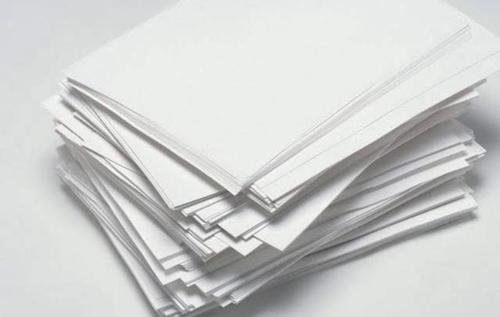 01
01
White paper
🎯 Unique Fermaxis blend
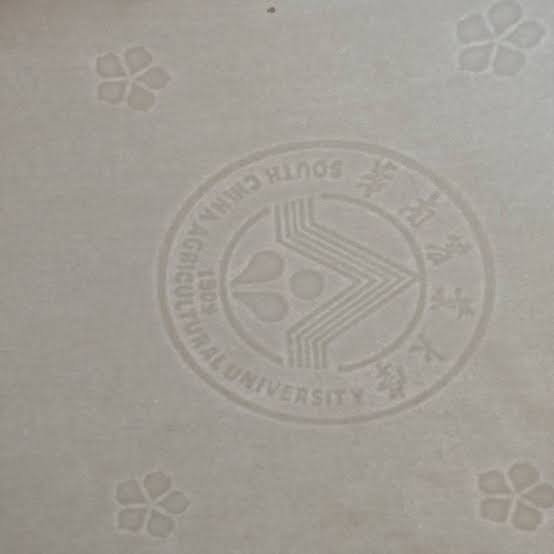 02
02
Bond paper with watermark
🎯 Unique Fermaxis blend
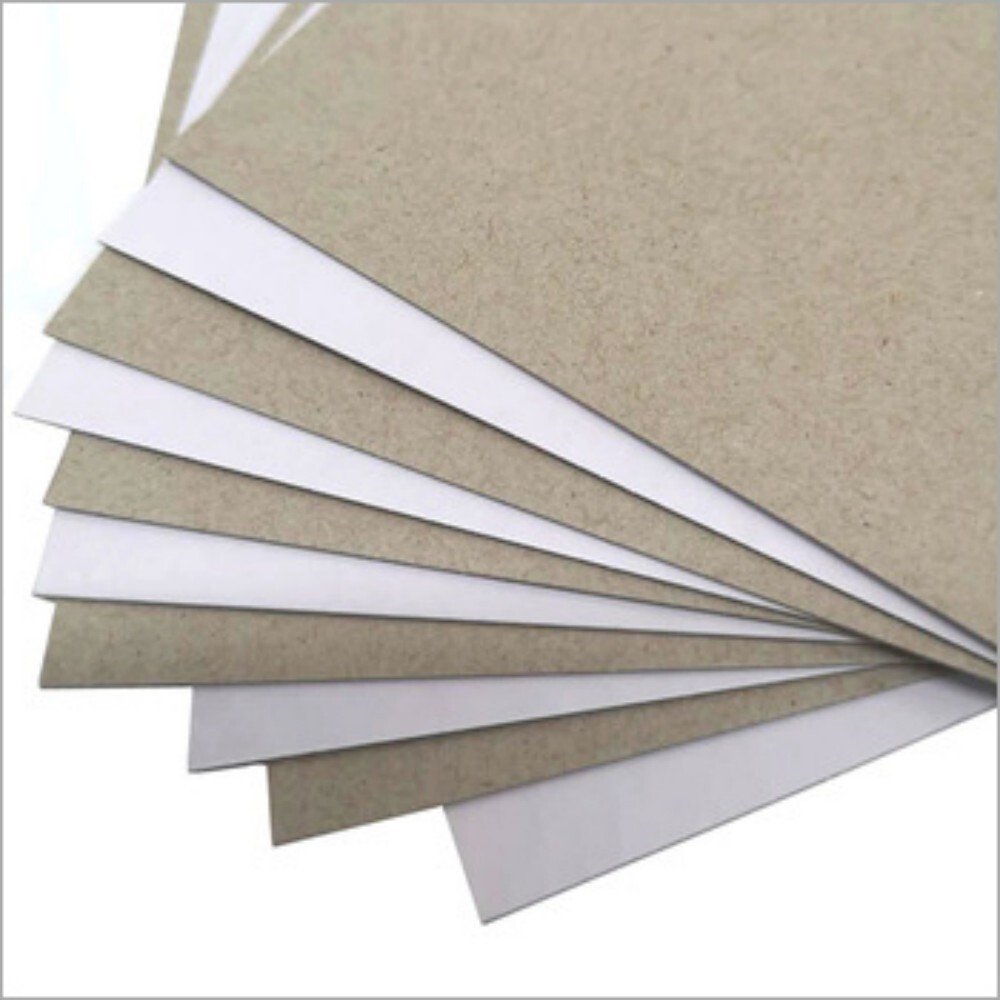 03
03
Duplex
🎯 Unique Fermaxis blend
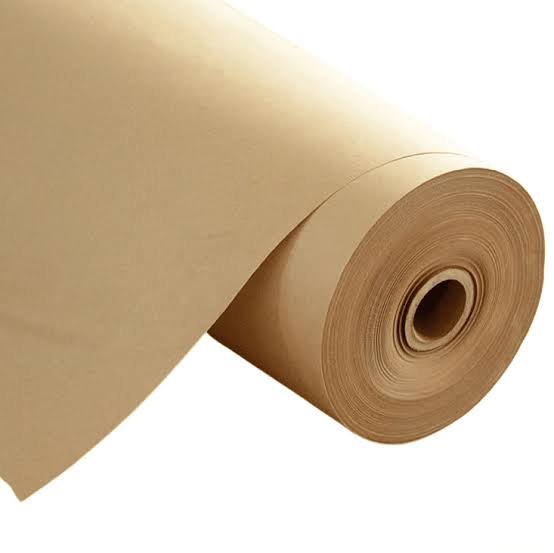 04
04
Kraft
🎯 Unique Fermaxis blend
 05
05
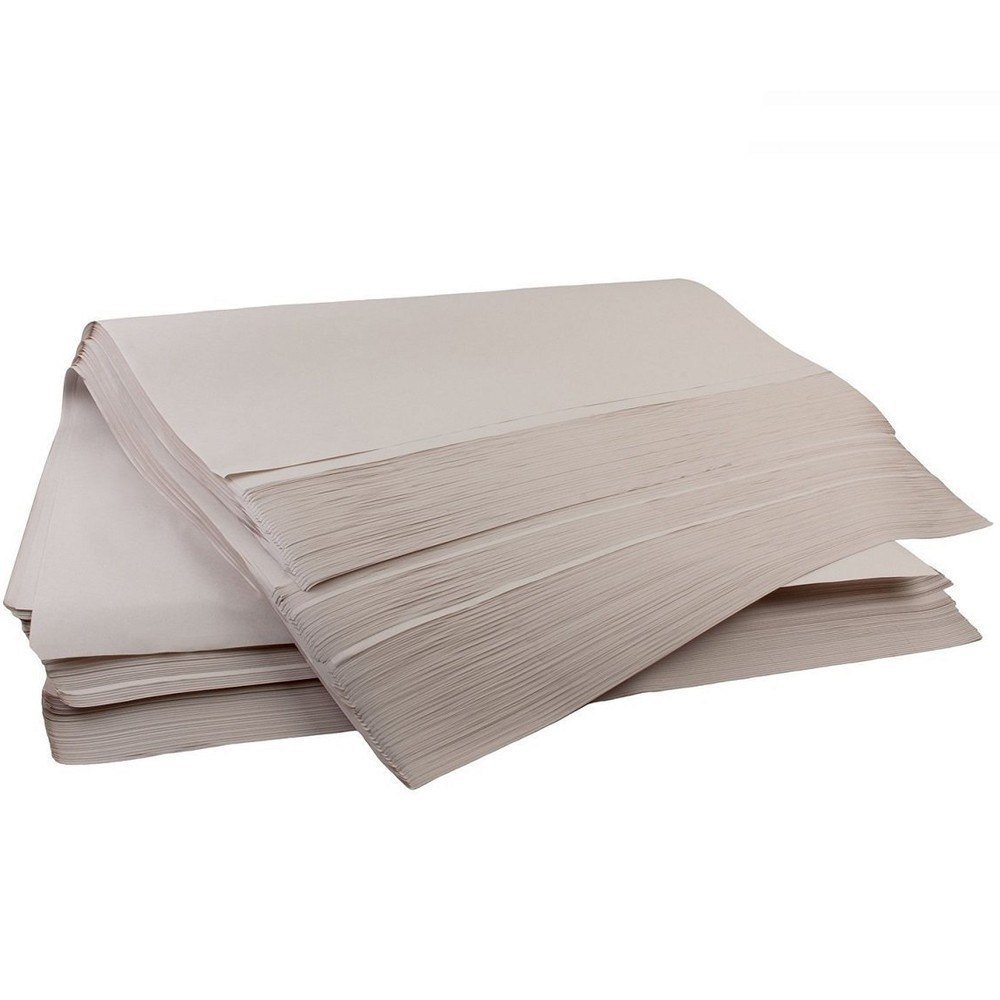
Newsprint
🎯 Unique Fermaxis blend
 06
06
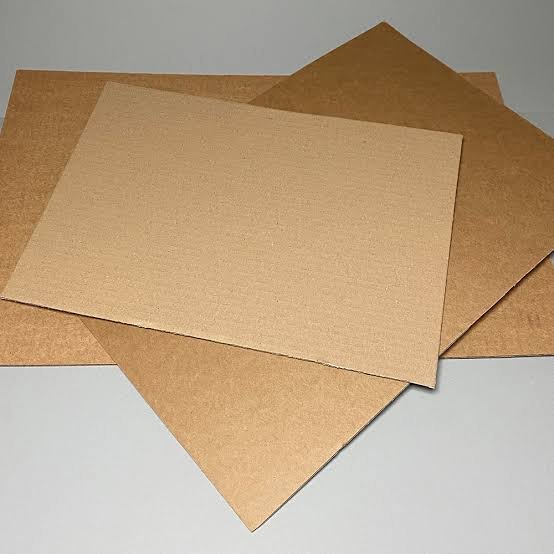
Cardboard
🎯 Unique Fermaxis blend