Textiles
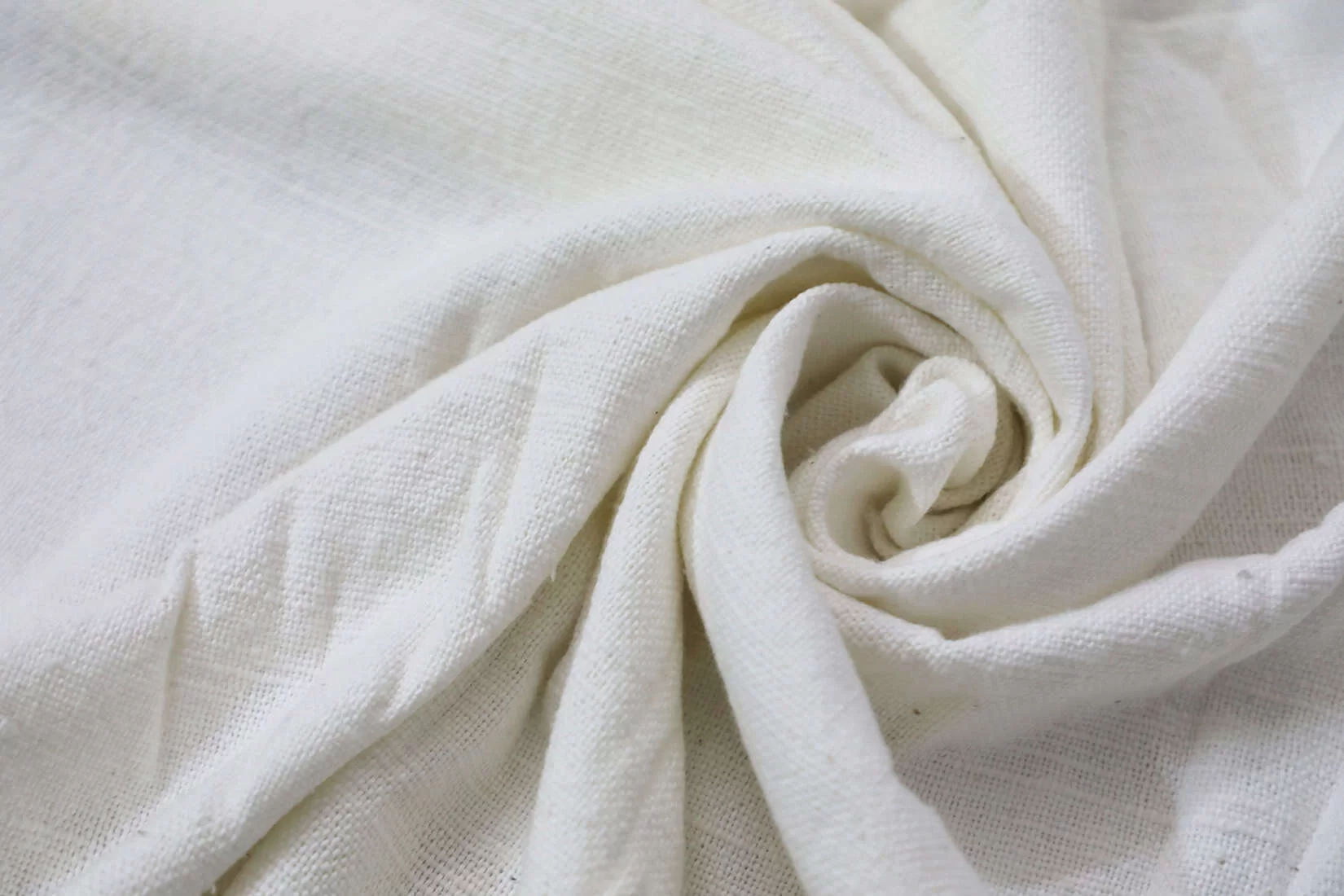
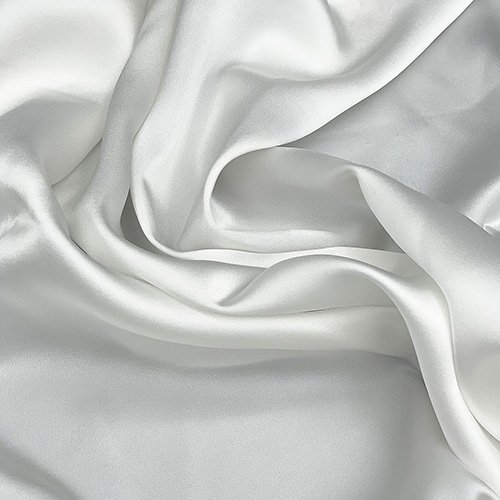
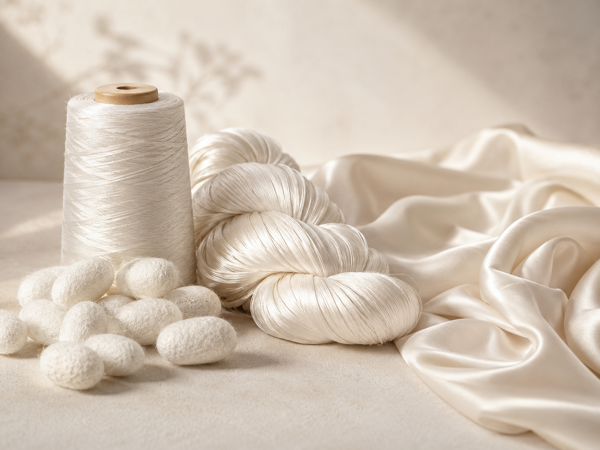
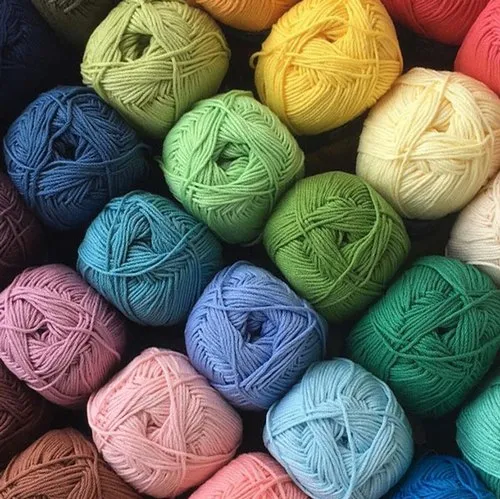
All textile fibres cotton, polyester, silk, wool, and linen each requiring an entirely different enzyme profile. Fermaxis engineers a separate blend for each.
🧵 About this vertical
Precision enzyme science for cleaner textile processing — one fibre at a time.
🧵
Where enzyme science is transforming textile wet processing
Textile wet processing — the sequence of steps that takes a raw fibre to a finished, dyed, and finished fabric — is among the most water-intensive, chemically demanding, and energy-consuming manufacturing processes in the world. Desizing, scouring, bleaching, biopolishing, and dye decolourisation have traditionally relied on alkaline chemicals, oxidising agents, and surfactants that are harsh on the fibre, expensive to procure and handle, and difficult to treat in mill effluent.
Enzymes replace or significantly reduce the role of chemistry at each of these processing stages — improving fibre quality, reducing water and energy consumption, shortening process times, and producing a textile effluent that is substantially easier and less expensive to treat. Fermaxis's Bacillus-based enzyme preparations are engineered to deliver these outcomes — with a separate formulation for each fibre type.
🔗 How Fermaxis reaches the textile industry
Fermaxis supplies enzyme preparations directly to textile process houses and fabric mills — working with process engineers and technologists to integrate the right preparation at the right process stage for each fibre being processed. We also supply to traders and distributors who on-supply to mills and textile chemical companies, in some cases incorporating dilutions or additions suited to their customers' specific process bath conditions. Whether supplied direct or through distribution, every Fermaxis preparation is produced under the same in-house fermentation quality standard and carries verified enzyme activity per batch.
🎯 The Fermaxis distinction in textiles
Most enzyme suppliers offer a single cellulase "for cotton" or a single protease "for wool." Fermaxis engineers a separate enzyme formulation for each textile fibre — because cotton bioscouring requires a different pectinase and protease profile than linen, silk demands a protease with dramatically lower activity to avoid fibre damage, wool requires a controlled subtilisin-type protease in a carefully buffered system, and polyester surface modification uses a cutinase that has no equivalent application in any natural fibre. Fibre specificity is not a selling point. It is a scientific necessity.
What our enzymes do at each processing stage
✂️Desizing
Amylases remove starch-based size from warp yarns after weaving — replacing harsh oxidative desizing chemicals and delivering cleaner, more uniform fabric ready for subsequent wet processing.
🌿Bioscouring
Pectinases and proteases remove non-cellulosic impurities from cotton and linen in the scouring bath — replacing NaOH-based alkaline scouring with a gentler, more fibre-preserving biological process.
⭐Biopolishing
Cellulases selectively remove surface microfibrils and protruding fibres from cotton — improving fabric smoothness, pilling resistance, and colour clarity without mechanical damage.
☀️Denim finishing
Cellulases and laccases are used in denim biostoning and indigo decolourisation — replacing pumice stones and reducing the chemical load of stone-washing effluent dramatically.
💧Dye decolourisation
Laccases oxidise reactive and vat dye residues in textile effluent — reducing colour load at the point of treatment and improving the performance of downstream biological effluent treatment.
🔧Surface modification
Cutinases modify the hydrophobic surface of polyester — improving dye uptake, wettability, and the adhesion of functional finishes without the need for alkaline hydrolysis.
🧵Five fibres. Six individually engineered formulations.
Fermaxis's textile enzyme portfolio covers cotton, polyester, silk, wool, and linen — with a separate formulation for each. The enzyme class, activity level, pH optimum, temperature stability, and dosage are all calibrated to the specific chemistry of that fibre and the processing step being addressed. Silk and wool — though both protein fibres — receive entirely different protease profiles to ensure effective processing without fibre degradation.
CottonPolyesterSilkWoolLinen
🎯 Cleaner processing. Better fibre. One enzyme blend per textile — always.
 01
01
 02
02
 03
03
 04
04
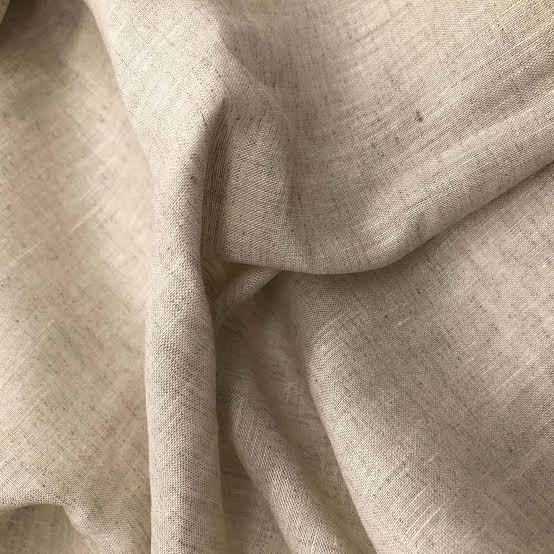 05
05
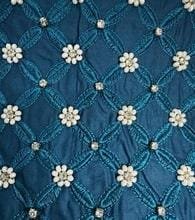 06
06